
We fight the war against Radon and Mold so you don't have to battle with their effects
Mold spores are a very common indoor and outdoor allergen. Mold exposure can trigger a condition called perennial allergic rhinitis (year-round allergies) in sensitive individuals, or it can exacerbate asthma.
Unfortunately with Radon there are no unique, specific, or early findings associated with radon exposure itself. The only known major health effect of long-term radon exposure is lung cancer, so an X-ray would show the signs of a tumor if cancer has developed and grown large enough to be visible.
Protect yourself and your loved ones, test your living environment before it becomes a diagnosis.
Mold and Radon Testing
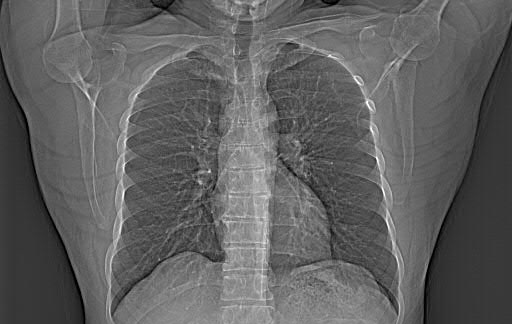
An indeterminate medical cause or an infection of mold spores in lungs?
• Bilateral hilar and mediastinal lymphadenopathy. While nonspecific, this pattern of adenopathy can be seen with granulomatous processes, including sarcoidosis or granulomatous infection. No specific parenchymal features to suggest sarcoidosis.• Tiny indeterminate nodules measuring up to 4 mm in diameter (lentil size).
These words described the diagnosis I received. Something that sounds complex, can't explain the exact cause for it. I was concerned and so was my wife and close family. Get a pinch of 3-6mm popcorn crumbs and place them on a napkin to appreciate how lung nodules look in relation to lung size.
After mold abatement larger nodules were fading after 3 years, and small enough to ignore after 5 years. If a patient is experiencing symptoms due to mold exposure, a doctor should recommend to evaluate their specific condition and explore first-line treatments before prescribing medication. My treatment is long term, and I chose to make this a priority to prevent it for others.
Can effects from radon exposure be detected early?
A chest X-ray is not sensitive enough to detect early-stage lung cancer, it can only see larger tumors (10-15mm marble). For high-risk individuals (including those with significant radon exposure), Low-Dose CT (LDCT) screening is the preferred imaging test for early cancer detection because it is much more sensitive than a standard chest X-ray (1-2mm grain-of-rice).
Medically preventable?
Radon is identified with a simple and fast test to determine the presence of radioactive radon decay products in your home or building. First reading available in about 1 hour if visible measurement is requested. Certified Test Results after 2 days.
Radon is not visible and has no odor, the only way to identify is testing.
Every home has mold. Mold spores are identified with an air sample collection followed by laboratory testing to identify the types and concentration of mold spores. This is the best choice for houses with basements, recent remodels, history of water intrusion or seepage, signs of water leaks, indoor and outdoor pets, or the presence of funky smells or fragrances where a suspicious stain is not visible. Approximately 3 days until results.
Or
Swab sample collection and laboratory test for a visible growth, stain or substance to determine if it is mold or bacteria, and identify its specific strain for toxicity to plan the correct abatement method if needed. Approximately 3 days until results.